- +90 (384) 353 50 01
- Yeni Mahalle, Cumhuriyet Meydanı, No: 03 Mustafapaşa / Ürgüp / Nevşehir
- info@mustafapasa.bel.tr
 TR
TR
 EN
EN

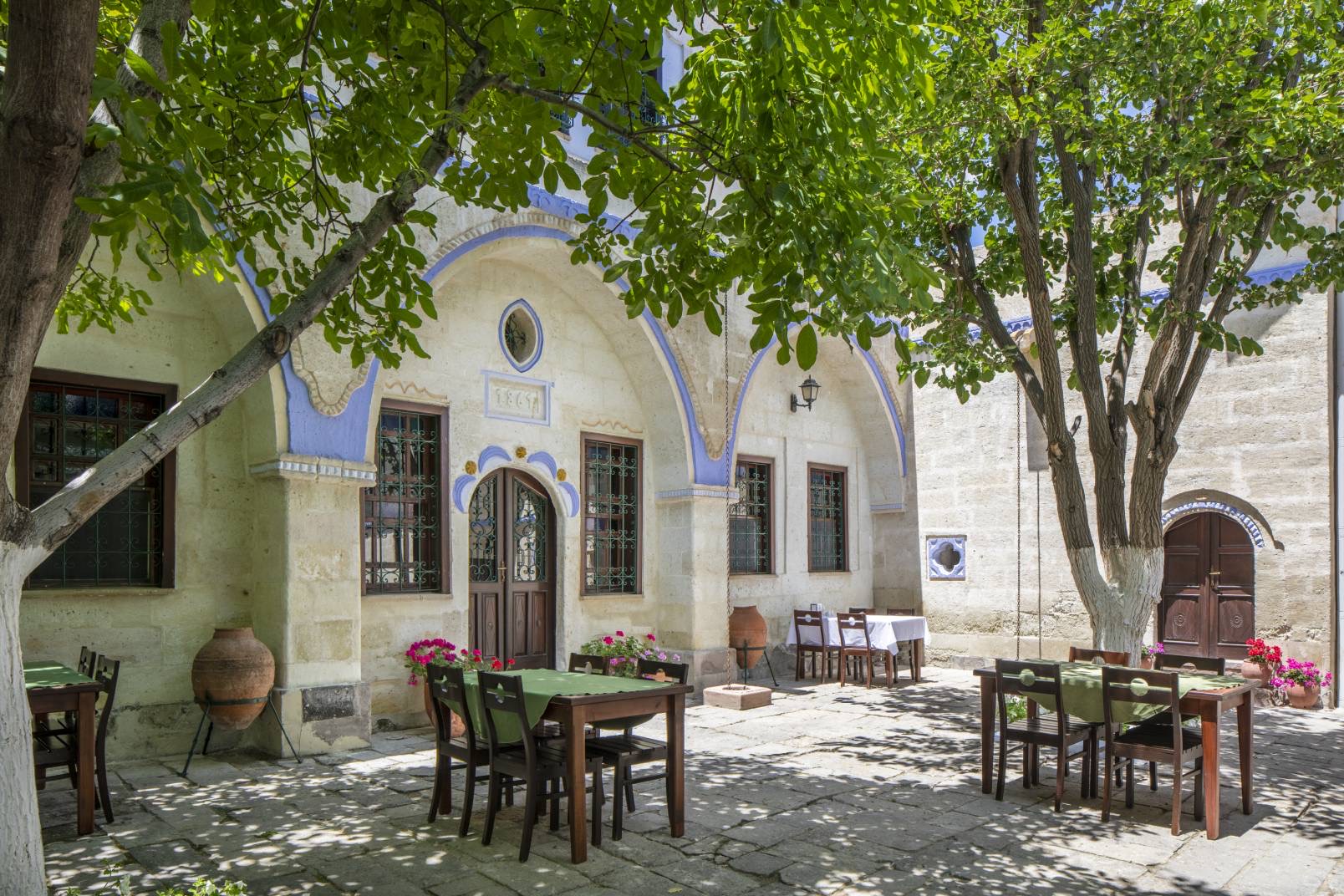
Mustafapaşa (formerly known as Sinasos) is one of the most important historical settlements of Cappadocia with its magnificent mansions from the 18th and 19th centuries. These splendid structures create a unique synthesis by combining Ottoman and Greek architectural features.
The mansions are generally two-story structures with rectangular plans and barrel roofs, built with masonry technique. Stone was used in their walls, and wooden materials were used in doors and windows.
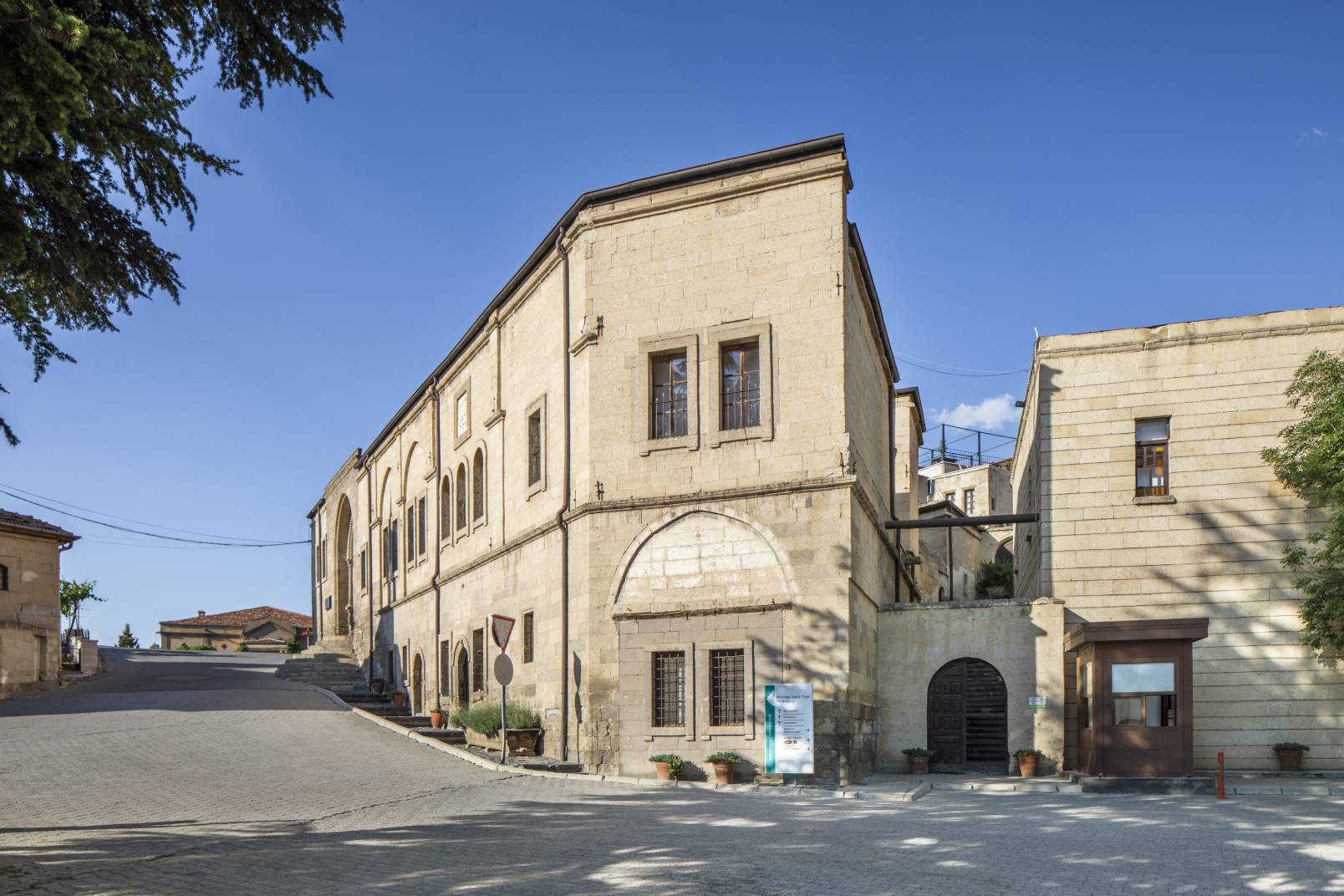
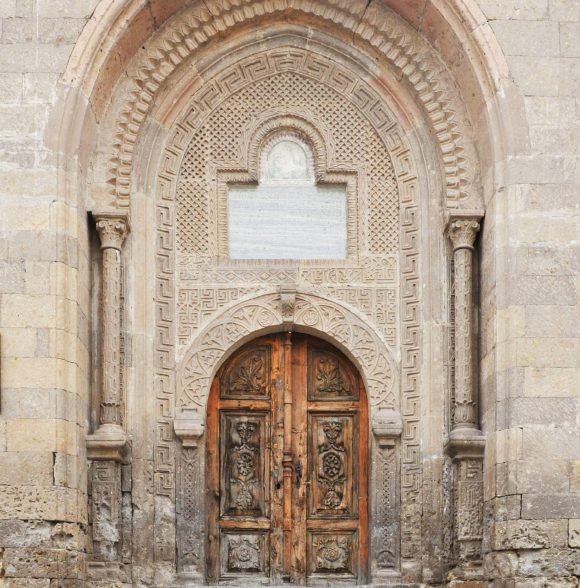
Mehmet Şakir Pasha Madrasah (1899): The most magnificent Ottoman monument in Mustafapaşa. Built by Egyptian Mehmet Şakir Pasha, it currently serves as an educational building for Cappadocia University. Its crown gate is a masterpiece of local stone carvers.
The crown gate decorations carry the ornate decoration understanding of the Seljuk and Principalities period, as well as Baroque-Rococo influence. The Ottoman monogram on it resembles early 20th century monograms.


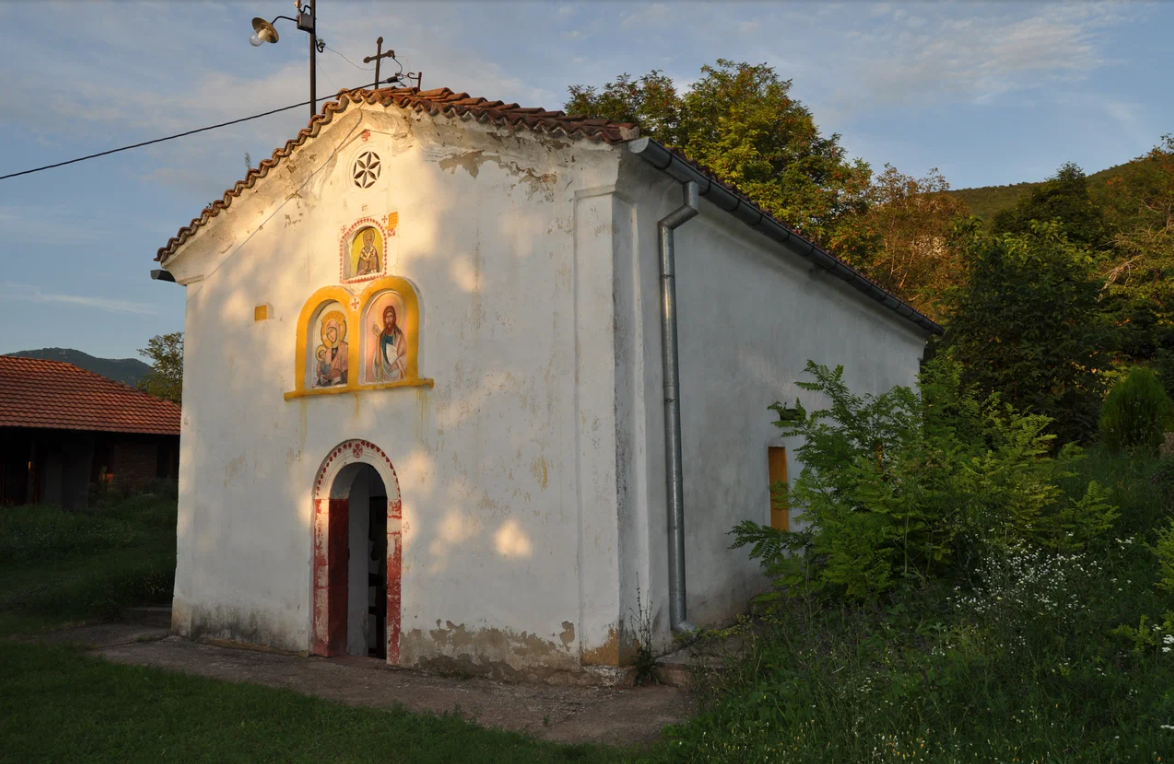
Saint Nicholas Monastery: This complex of buildings located in Monastery Valley is dedicated to Saint Nicholas, highly revered by the villagers. It took its current form in the second quarter of the 19th century. The water flowing from the fountain-shaped spring was believed to be healing.
Constantine and Helena Church: The basilica-plan church with three naves and three apses was built in 1729 and repaired in 1850. The eight-line Greek inscription above the entrance is extremely interesting.
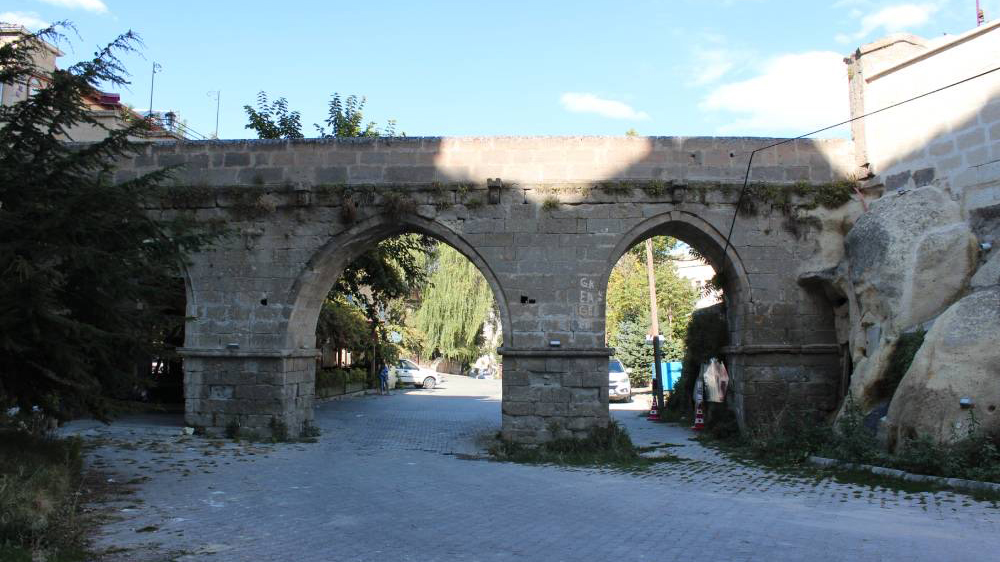
Maraşoğlu Bridge (1865): Built by Vasilios Maraşoğlu from one of Sinasos's prominent Greek families. The bridge, made of cut stone with three pointed arches, 16 meters long and 2.5 meters wide, connects Gavras and New Quarter.
The inscription on the bridge contains these lines in Greek: "Like a connection uniting two separate parts / I unite two districts of a town / May the soul of Vasilios Maraşoğlu be blessed"
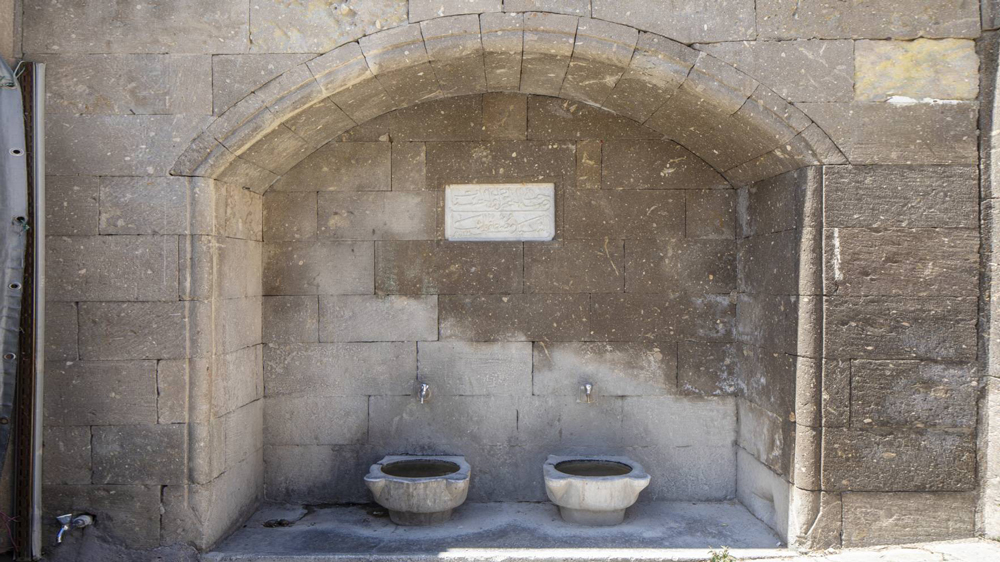
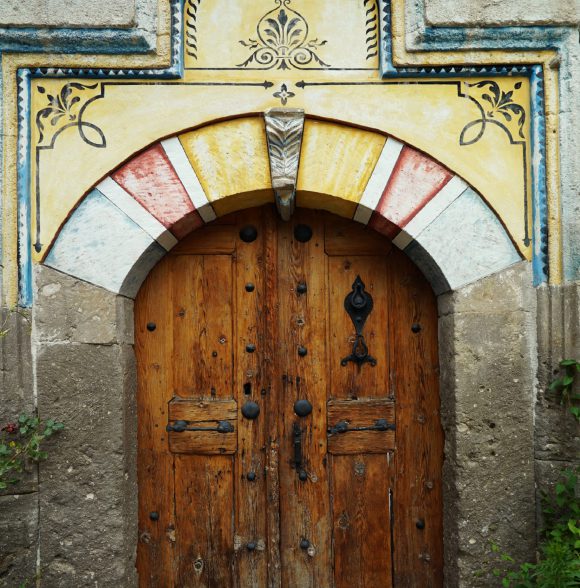
Mustafapaşa's narrow streets are adorned with historical gates. Each gate tells a story extending from centuries ago to the present. These gates made of wood and stone reflect the artistic understanding and lifestyle of the period.
Mansion gates are generally double-winged, arched and decorated with various motifs. Eagle depictions, wheel of fortune and rose ornament medallions can be seen on some. Gate inscriptions contain construction dates and the names of builders.
The madrasah crown gate is one of the most magnificent gate examples in the region. Decorated with floral and geometric reliefs, it is surrounded by tiered arches.
As Mustafapaşa Municipality, we work to provide the best service to our people.