Cultural Heritage

Historic stone mansions, madrasas and mosques, churches and monasteries, stone bridges, fountains and centuries-old doorways.

Mustafapaşa, the Open-Air Museum

Our Cultural and Architectural Heritage (5 Main Categories)

Mansions

Where Ottoman and Greek Architecture Meet

Mansions

Notable Historic Mansions

  1. 1
    Sarı Konak (Yellow Mansion): Built according to an 1896 inscription; it takes its name from the colour of its stone façade.
  2. 2
    Mehmet İnce Mansion: Dated 1909, an outstanding example of Muslim Turkish civil architecture.
  3. 3
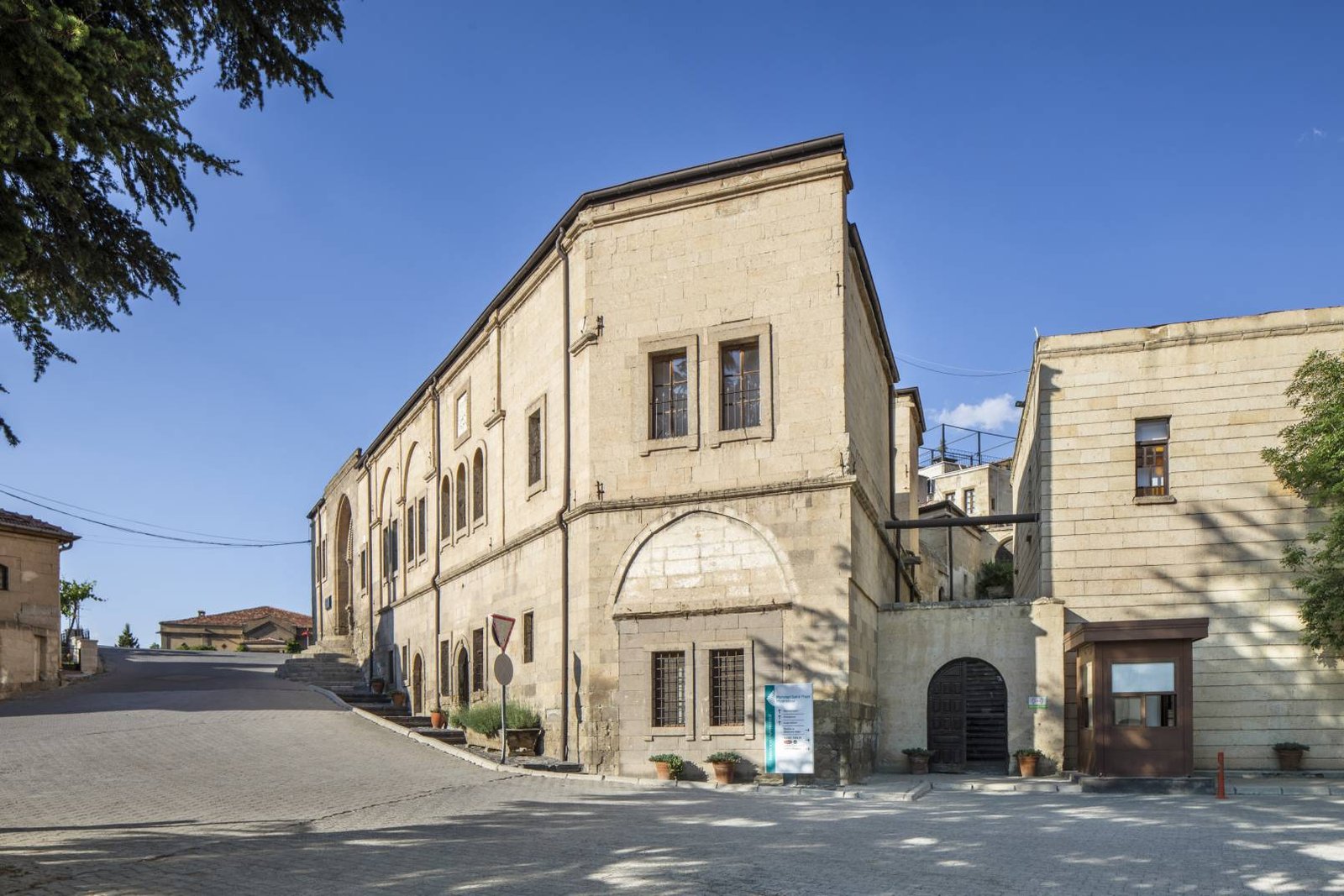
    Cappadocia Art and History Museum: A historic mansion with an 1860 inscription, famous for its original wall paintings.
Madrasa and Mosques

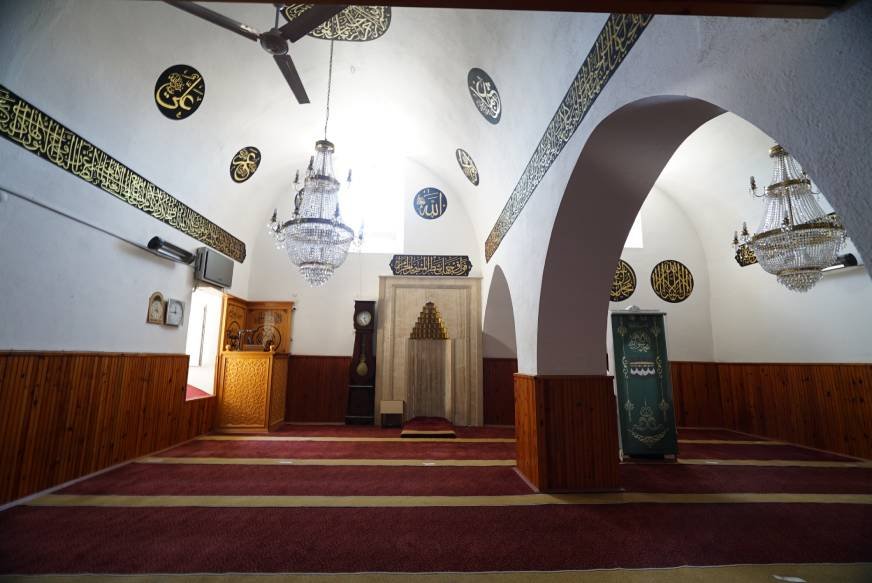
Elegant Examples of Islamic Architecture

Madrasa and Mosques

Our Historic Mosques

  1. 1
    Cami-i Kebir (Great Mosque): Dated 1601, built by El-Hac İbrahim. Known for its kiosk minaret.
  2. 2
    Şeyh Ali Mosque: Built in 1824 by Yazıcı Ali Ağa.
  3. 3
    Sipahi Mosque: Dated 1834, notable for its original kiosk minaret.
Churches and Monasteries

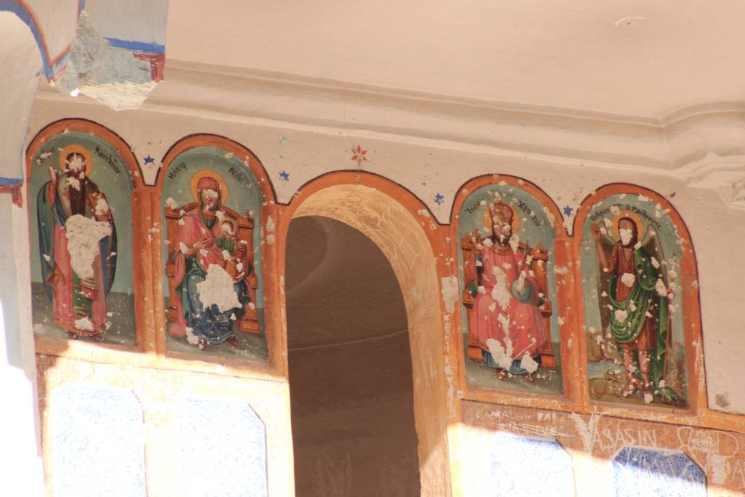
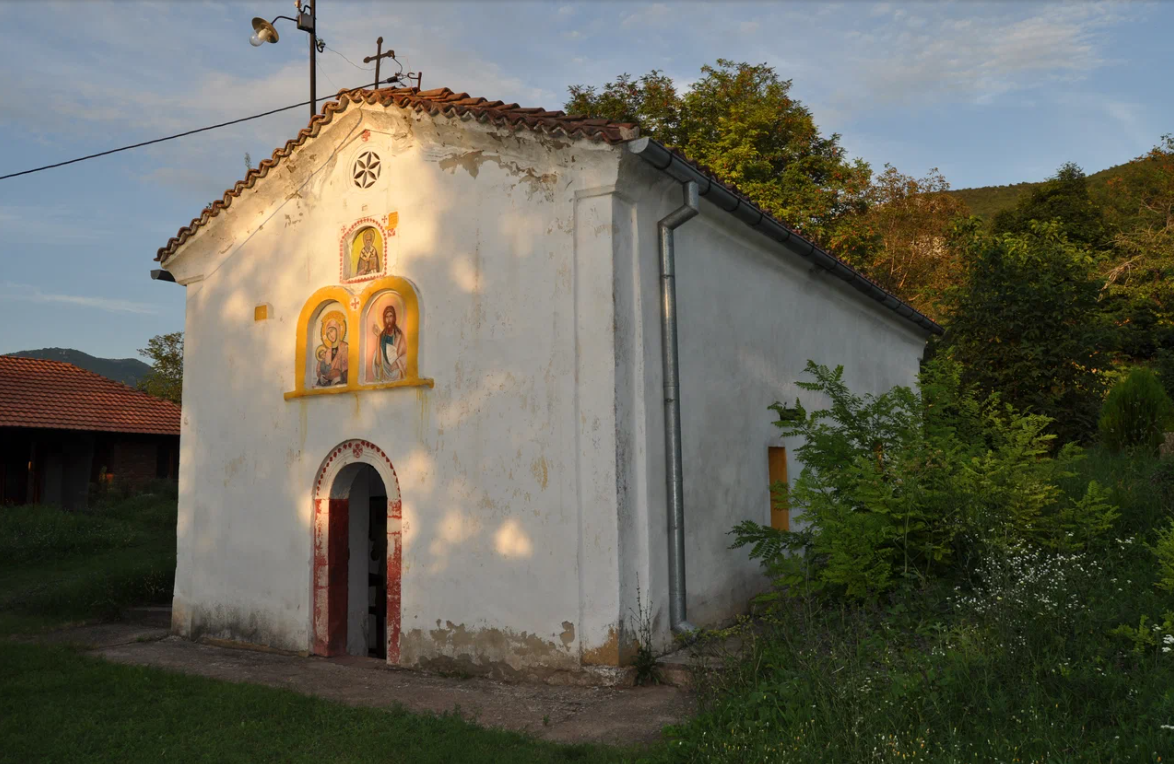
The Historic Legacy of Christianity

Churches and Monasteries

Other Important Churches

  1. 1
    Saint Basil Church: A rock-carved building famous for its original wall paintings (frescoes).
  2. 2
    Kalaşa Locality Churches: The churches of Paraskevi, Panteleimon and Eustathios.
  3. 3
    Saint Gregory Church: A church with special architecture that preserves its historic fabric.
Bridges and Fountains

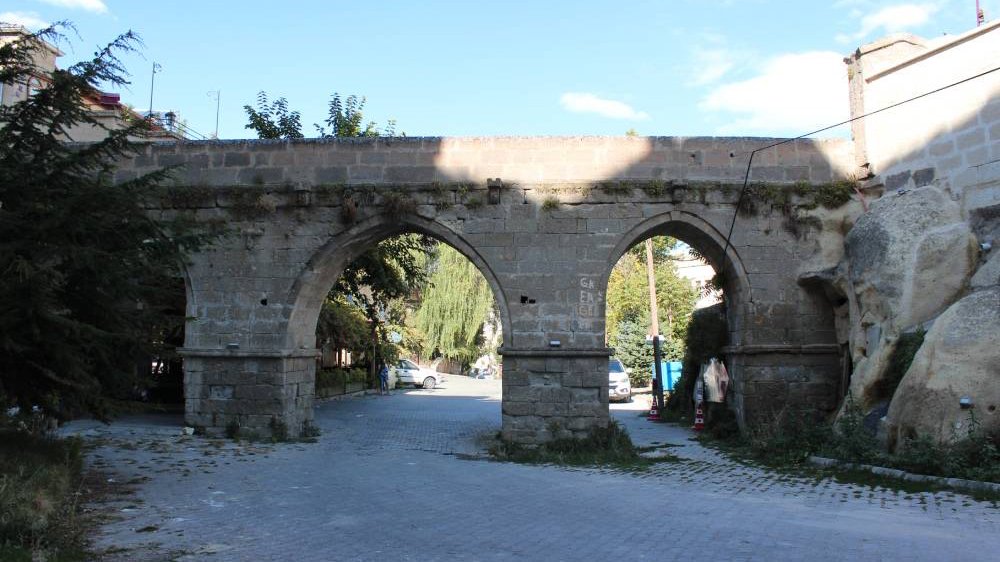
Historic Water Structures That Give Life

Bridges and Fountains

Our Historic Fountains

  1. 1
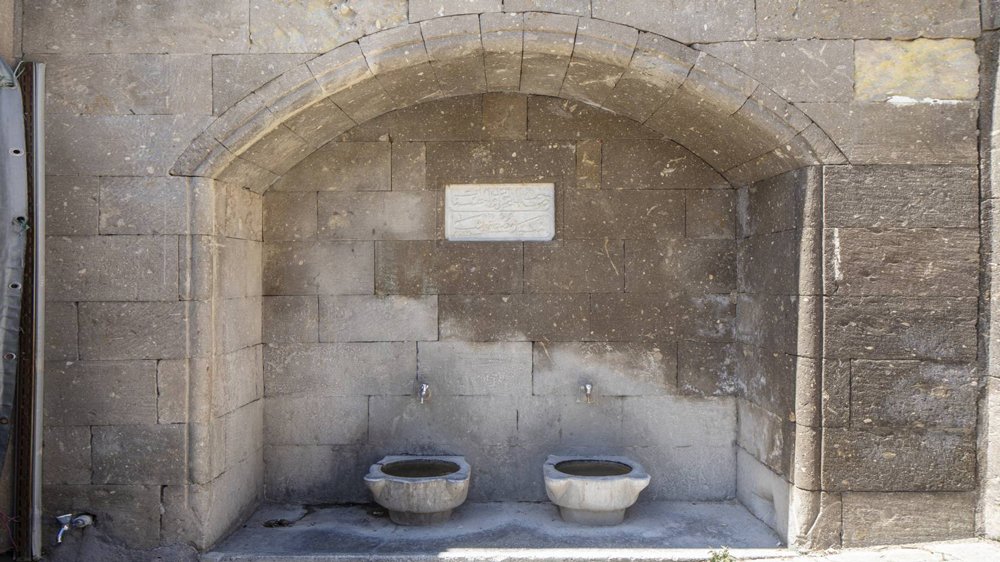
    Cami-i Kebir Mustafa Pasha Fountain (1804): A historic inscribed fountain with a single arch, made of evenly cut basalt stone.
  2. 2
    Yukarı Mahalle Fountain (1804): A historic two-arched fountain built by Seyyid Mustafa Pasha.
  3. 3
    Square Fountain (1951): A stone fountain with an ablution-fountain plan located in Republic Square.
Historic Doorways

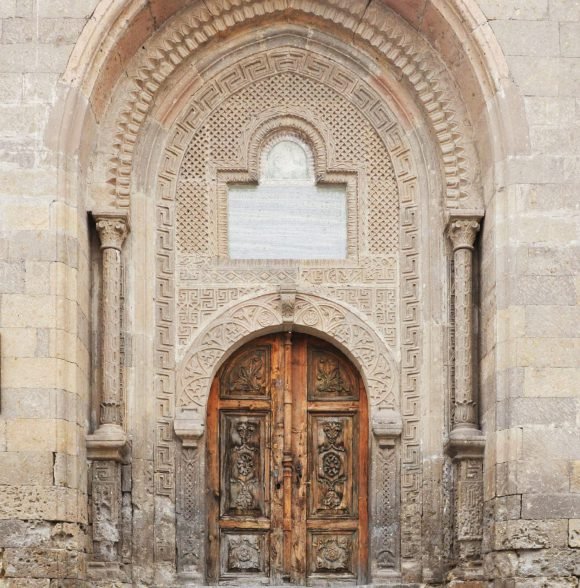
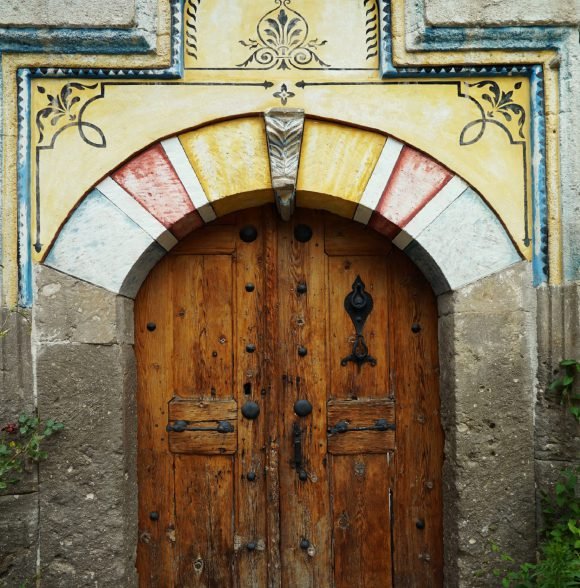
Doors Opening from the Past to the Future

Historic Doorways
Cultural Heritage | Mustafapaşa Municipality